
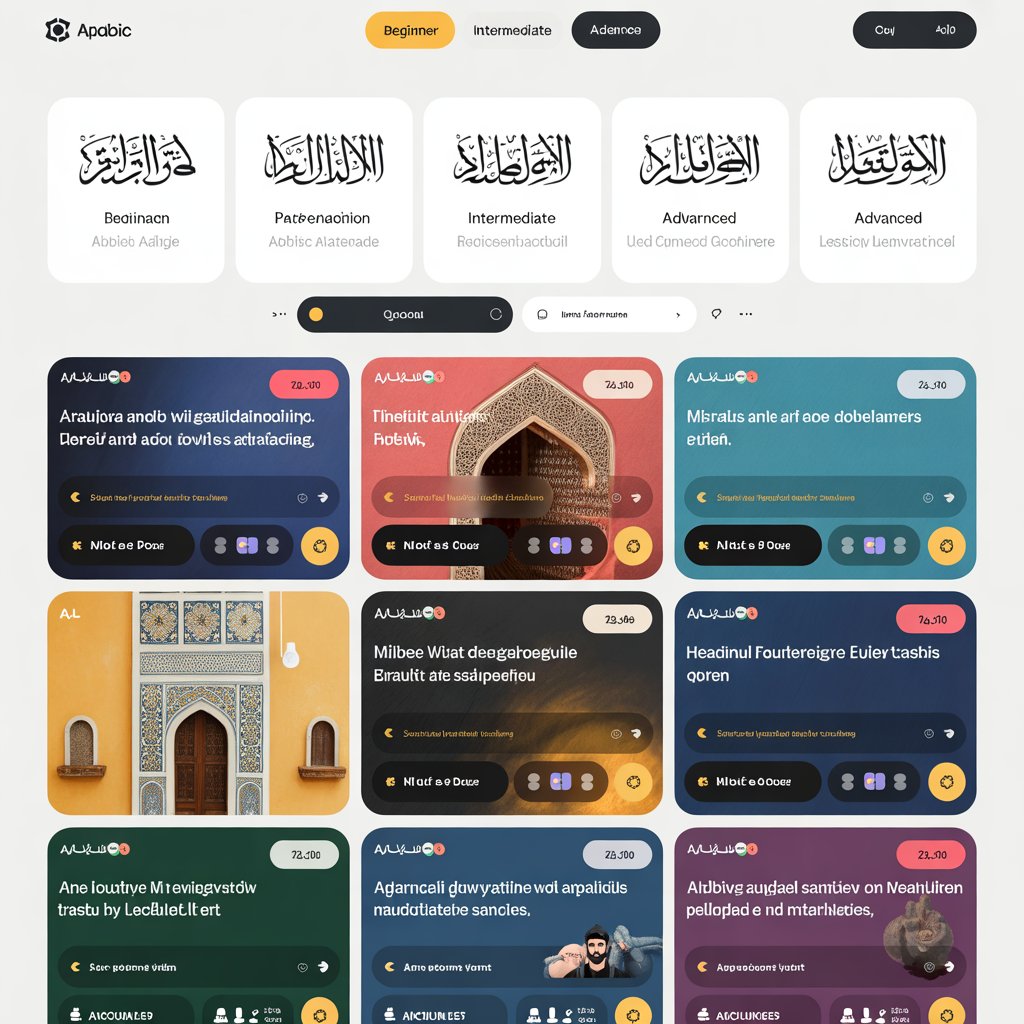
Arabic Language Learning Online – Beginner to Advanced Level Guide is your complete roadmap to mastering Arabic step by step. If you want to speak confidently, read fluently, and understand real conversations, you need structure. You also need patience. Arabic is rich, logical, and deeply connected to history and culture. With the right system, you can learn it from home. This guide explains how Arabic language learning online works from beginner to advanced level. You will understand what to study, how to practice, and how long it takes. Let’s begin your journey the smart way.
Why Arabic Language Learning Online Matters Today
Arabic is one of the most spoken languages in the world. More than 400 million people speak it across the Middle East and North Africa. It is also one of the six official languages of the United Nations. That fact alone shows its global power.
Online Arabic learning has changed everything. In the past, you needed a classroom. Now you only need structure and discipline. You can attend live classes, use apps, join speaking groups, and even practice with native speakers daily. For example, platforms like this help you read real Arabic news. Exposure builds confidence. Consistency builds fluency.
Understanding the Arabic Language Before You Start
Before you begin Arabic language learning online, you must understand how Arabic works. Arabic is written from right to left. It has 28 letters. Some sounds do not exist in English. Letters change shape depending on their position in a word. This surprises beginners at first.
Arabic also uses a root system. Most words come from three-letter roots. For example:
| Root | Related Words | Meaning |
| ك-ت-ب | كتاب | Book |
| ك-ت-ب | كتب | He wrote |
| ك-ت-ب | مكتبة | Library |
Once you understand this pattern system, vocabulary becomes easier. Arabic stops feeling random. It starts feeling logical.
Beginner Level Arabic Language Learning Online (Months 0–3)
At the beginner stage, your goal is simple. Learn the alphabet. Read basic words. Form short sentences. Do not rush grammar. Build a strong base.
Start with letter recognition and pronunciation. Practice daily writing drills. Record your voice. Compare it with native pronunciation from trusted platforms like https://learning.aljazeera.net. You should aim to learn 500 essential words in three months.
Here is a simple beginner vocabulary structure:
| Category | Examples |
| Greetings | Salam, Shukran |
| Numbers | 1–20 |
| Family | Mother, Father |
| Daily Verbs | Eat, Go, Write |
| Time Words | Today, Tomorrow |
Intermediate Arabic Learning Online (Months 4–12)
Now things become exciting. At the intermediate stage, you move from memorizing to thinking in Arabic. You learn verb forms, past tense, present tense, and sentence connectors.Arabic verbs follow patterns. Form I to Form X verbs change meaning in structured ways. Once you learn patterns, reading becomes smoother.
You will start understanding news headlines and short stories. For example, reading simplified news articles daily improves both vocabulary and confidence.Practice writing short paragraphs. Keep a daily Arabic journal. Write five sentences about your day. Then ask a tutor to correct them. Feedback speeds up progress more than passive learning ever will.
Advanced Arabic Language Learning Online (Year 1+)
Advanced learners focus on depth. You explore complex grammar, rhetorical styles, and nuanced vocabulary. You read opinion articles and literature. You watch debates. You follow formal speeches.
At this stage, perfection is not the goal. Clarity is. You must practice advanced connectors and conditionals. You should also choose a dialect if speaking is your priority. Egyptian Arabic and Levantine Arabic are common choices.
Here is a comparison between Modern Standard Arabic and dialect:
| Feature | Modern Standard Arabic | Dialect Arabic |
| Usage | News, books, formal speech | Daily conversation |
| Grammar | Structured and formal | Simplified |
| Learning Goal | Reading and writing | Speaking fluently |
.
Best Methods for Arabic Language Learning Online
There is no single perfect method. However, combining tools works best. Apps build vocabulary. Tutors build speaking skills. The media builds listening power.
Here is a method comparison table:
| Method | Strength | Limitation |
| Apps | Daily vocabulary | Limited conversation |
| Live Tutors | Real speaking practice | Higher cost |
| Online Courses | Structured curriculum | Fixed pace |
| Self-Study | Flexible timing | Requires discipline |
Immersion is powerful. Watch Arabic shows. Listen to Arabic podcasts. Follow Arabic YouTube channels. Even 20 minutes daily creates long-term impact.
How to Choose the Right Arabic Language Learning Online Program
Not all programs are equal. Some promise fluency in 30 days. That is unrealistic. Real progress takes time and structure.
When choosing a program, look for clear levels. Beginner, intermediate, advanced. Look for placement tests. Look for feedback sessions. Make sure speaking practice is included. If there is no speaking, fluency will suffer.Also check teacher qualifications. Native speakers with teaching experience make a huge difference. A structured curriculum prevents confusion.
Step-by-Step Roadmap for Arabic Language Learning Online
Success requires a roadmap. Without one, motivation fades.
Here is a realistic timeline:
| Phase | Duration | Focus |
| Phase 1 | 0–3 Months | Alphabet + 500 words |
| Phase 2 | 4–6 Months | Basic conversation |
| Phase 3 | 7–12 Months | Reading short texts |
| Phase 4 | Year 2 | Advanced fluency |
Study at least five hours per week. Daily exposure matters more than weekend cramming. Progress feels slow at first. Then it accelerates.
Common Challenges in Arabic Language Learning Online
Every learner struggles at some point. Pronunciation feels difficult. Grammar feels heavy. Motivation drops.
Pronunciation improves with repetition. Focus on throat letters daily. Grammar becomes easier when learned in context, not isolation. Motivation improves when you track progress. Keep a simple log. Write what you learned each week. Small wins add up.Remember this quote: “Consistency beats intensity.” Five steady hours weekly will outperform one intense weekend session.
Long-Term Benefits of Arabic Language Learning Online
Arabic opens doors. It connects you to history, business, religion, and culture. It strengthens your brain. Studies show bilingual individuals often develop stronger cognitive flexibility.
Professionally, Arabic is valuable in diplomacy, translation, journalism, and international business. It also gives you access to centuries of literature and poetry. That cultural richness is unmatched.Learning Arabic online allows flexibility. You control your pace. You build skill without leaving home.
Faq”s
How long does it take to learn Arabic online?
It depends on your consistency. Basic conversation takes 6–12 months with regular practice.
Is Arabic harder than other languages?
Arabic has unique grammar and sounds. However, its root system makes vocabulary logical.
Can I learn Arabic without a tutor?
Yes, but speaking improves faster with live feedback.
Should I start with Modern Standard Arabic?
Yes. It builds a strong foundation before learning a dialect.
How many words do I need to speak fluently?
Around 3,000–5,000 active words allow comfortable conversation.
Conclusion
Arabic Language Learning Online – Beginner to Advanced Level Guide gives you structure, clarity, and direction. Arabic may look complex at first. However, it becomes logical with steady practice. Focus on small daily progress. Build vocabulary slowly. Practice speaking weekly. Read simple texts before complex ones. Choose the right program. Stay consistent. Over time, you will notice real growth. Arabic is not learned overnight. It is built layer by layer. If you stay committed, fluency will follow. Your journey starts today.