
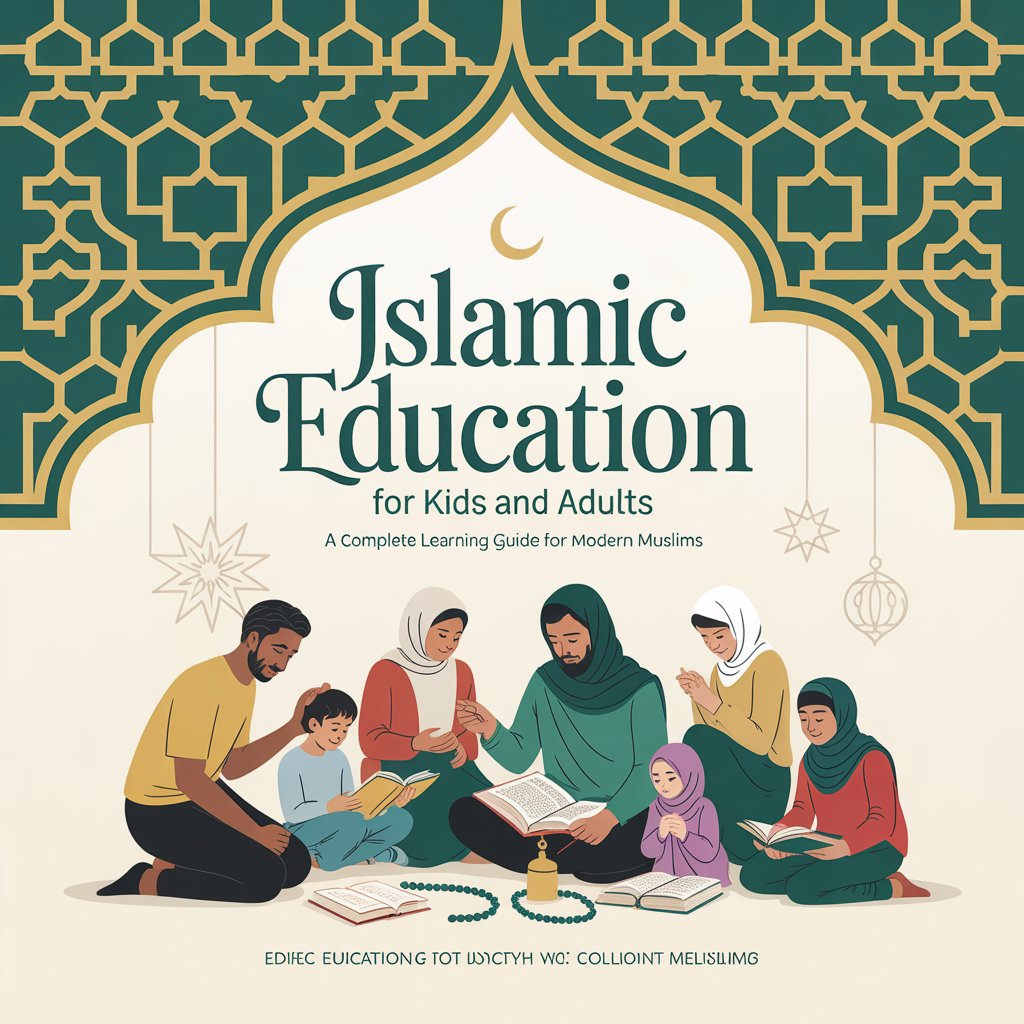
Islamic Education for Kids and Adults – A Complete Learning Guide for Modern Muslims is not just a topic. It is a lifelong mission. In today’s fast world, many families feel disconnected from faith. Children grow up with questions. Adults feel they missed something important. That is where Islamic education becomes essential. It builds knowledge. It shapes character. It protects identity.
When you invest in structured Islamic learning for kids and adults, you invest in clarity, confidence, and strong values. This guide explains everything you need to know in simple language. You will learn what Islamic education really means, how it works for children and adults, and how to choose the right path.
Why Islamic Education for Kids and Adults Matters Today
Modern life moves fast. Technology shapes opinions before parents do. Social media teaches ideas that often conflict with faith. Without proper Islamic education for kids and adults, confusion grows quietly. Children may know cultural traditions. However, they may not understand why they believe what they believe.Adults face another struggle. Many were never taught the foundations clearly. They pray, yet they doubt. They fast, yet they do not understand the wisdom behind it.
Structured Islamic learning builds certainty. It replaces inherited habits with informed faith. When knowledge becomes clear, actions become stronger.A family in Texas once enrolled in weekend online Islamic classes. The parents wanted their children to memorize short surahs. Within months, the parents themselves started attending adult aqeedah sessions. Dinner conversations changed. Instead of random talk, they discussed lessons from the Qur’an. That is the power of shared learning.
What Is Islamic Education? A Practical Definition
Islamic education is not only about memorizing verses. It is about understanding the Qur’an and Sunnah and applying them daily. It connects belief with behavior. It turns information into transformation.True Islamic education combines knowledge and character.
You learn how to pray correctly. You also learn why prayer matters. You study halal and haram. At the same time, you develop honesty and patience. Knowledge without manners is incomplete.The foundation of Islamic education rests on core subjects. These subjects build a balanced Muslim personality.
| Core Subject | What You Learn | Real-Life Impact |
| Aqeedah | Islamic beliefs | Strengthens identity |
| Fiqh | Daily rulings | Guides actions |
| Tajweed | Correct recitation | Preserves Qur’an |
| Tafsir | Meaning of verses | Deep understanding |
| Seerah | Life of Prophet ﷺ | Practical example |
Each subject works together. Remove one, and the structure weakens.
Islamic Education for Kids: Building Strong Foundations
Children absorb information quickly. Their minds are fresh. However, teaching must match their age. You cannot teach a five-year-old the same way you teach a teenager.Between ages four and seven, love comes first. Children should hear stories of prophets. They should memorize short duas. They should feel that salah is normal and beautiful. If learning feels harsh, they disconnect early.
From eight to twelve, structure becomes important. At this stage, children can understand simple rulings. They can learn tajweed basics. They can understand right and wrong clearly. Teaching must remain encouraging, not forceful.Teenagers require logic. They ask hard questions. They face doubts online. Islamic education for teens must address identity, peer pressure, and moral confusion. When answers are clear, confidence grows.
Islamic Education for Adults: It Is Never Too Late
Many adults feel embarrassed to start learning. They think they are too old. That belief is false. The Prophet ﷺ said, “Seeking knowledge is obligatory upon every Muslim.” Knowledge has no age limit.
Adults should begin with correcting their salah. Proper recitation matters. Basic aqeedah removes hidden doubts. Learning daily fiqh helps in business, marriage, and parenting.
A simple learning path for adults can look like this:
| Stage | Focus Area | Suggested Duration |
| Beginner | Salah and Aqeedah | 3–6 months |
| Intermediate | Tajweed and Fiqh | 6–12 months |
| Advanced | Tafsir and Hadith | Ongoing |
Even busy professionals can study twenty minutes daily. Consistency beats intensity. A small daily effort produces lasting growth.
Online Islamic Education for Kids and Adults
Online Islamic education changed access forever. You no longer need to live near a mosque scholar. You can connect with qualified teachers globally.Flexibility is a major benefit. Parents schedule classes after school. Adults attend sessions after work. Recorded lessons allow revision. However, quality varies. Some programs lack structure. Others lack supervision.
When choosing online Islamic education for kids and adults, verify credentials. Check teacher qualifications. Review curriculum outlines. Transparency builds trust.According to a 2023 education report by HolonIQ, global online religious education grew by over 30 percent in five years. Demand continues to rise because families want structured faith learning.
How to Choose the Right Islamic Course
Choosing a course should not be emotional. It should be strategic. First, review the syllabus. A clear roadmap shows seriousness. Second, confirm teacher credentials. Authentic knowledge requires proper training.
Third, look for progress tracking. Are assessments included? Is feedback provided? Fourth, observe teaching style. Is it engaging? Is it age-appropriate?
A comparison table can help you decide.
| Criteria | Strong Program | Weak Program |
| Curriculum | Structured levels | Random topics |
| Teachers | Certified scholars | Unknown background |
| Progress Reports | Regular feedback | No tracking |
| Student Support | Active communication | Minimal contact |
Challenges in Islamic Learning Today
Modern challenges are real. Social media spreads misinformation fast. Cultural practices often replace authentic teachings. Language barriers limit understanding for non-Arabic speakers.Another challenge is inconsistency. Many start excited. Few continue long term. Without routine, knowledge fades.
However, these obstacles are manageable. You can set weekly study hours. You can verify information through trusted scholars. You can join community learning circles to stay motivated.A study by Barna Group shows that people who learn in groups are 70 percent more likely to stay consistent. Community strengthens commitment.
Practical Tips to Make Islamic Education Easy
Learning becomes easier when structured. First, set realistic goals. Do not attempt to memorize large portions immediately. Start small. Build gradually.
Second, apply what you learn. If you study honesty, practice it immediately. If you learn a new dua, recite it daily. Application reinforces memory.
A weekly schedule can organize your learning.
| Day | Activity | Duration |
| Monday | Tajweed practice | 20 minutes |
| Wednesday | Aqeedah lesson | 30 minutes |
| Friday | Tafsir reflection | 25 minutes |
| Sunday | Family Islamic circle | 40 minutes |
The Role of Parents in Islamic Education for Kids and Adults
Parents remain responsible even with online classes. Children copy behavior more than words. If parents pray regularly, children notice. If parents read the Qur’an daily, children imitate.Creating an Islamic home environment matters.
Display Islamic books. Play Qur’an recitation softly. Encourage questions without anger.Case studies show that children whose parents participate in learning retain knowledge longer. Shared study strengthens family bonds.
Long-Term Impact of Islamic Education
Islamic education shapes the future. It builds confidence. It reduces confusion. It strengthens moral decisions. A well-educated Muslim understands faith intellectually and emotionally.Over time, families become more united. Children grow into adults who defend their beliefs respectfully.
Adults develop deeper spiritual satisfaction.The impact extends beyond personal life. Educated Muslims contribute positively to society. They practice justice, honesty, and compassion in daily dealings.
FAQ”s
What is the best age to start Islamic education for kids?
Children can begin learning basic duas and stories at age four.
Can adults start Islamic education from zero?
Yes. Many programs are designed specifically for beginners.
Is online Islamic education effective?
Yes, if the program has certified teachers and structured lessons.
How long does it take to learn basic Islamic knowledge?
Basic foundations can take six months to one year with consistency.
What subjects are included in Islamic education for adults?
Aqeedah, fiqh, tajweed, tafsir, hadith, and seerah are core subjects.
Conclusion
Islamic Education for Kids and Adults – A Complete Learning Guide for Modern Muslims is more than an academic subject. It is protection. It is clarity. It is identity. When you commit to structured Islamic learning, you strengthen your faith and your family. You build understanding instead of blind practice. You replace doubt with certainty. Start small. Stay consistent. Keep learning. Knowledge transforms hearts slowly yet powerfully. The journey requires effort, yet the reward lasts a lifetime and beyond.